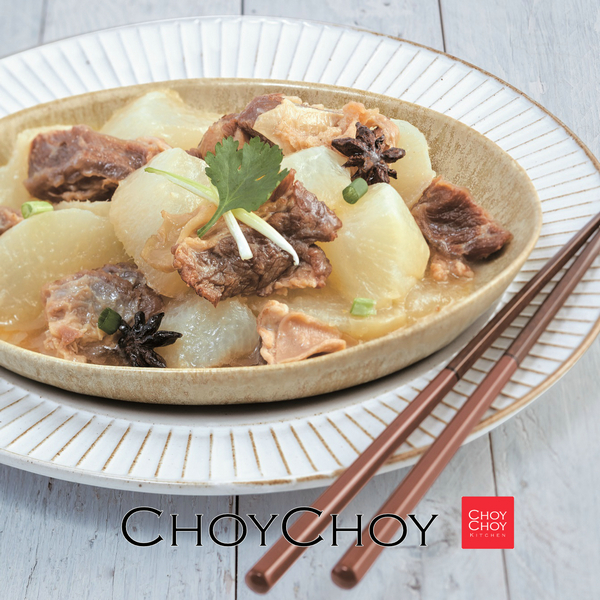
Chinese Cooking Technique: Stewing
Introduction
Stewing is a fundamental technique in Chinese cuisine, renowned for its ability to enhance the flavor and tenderness of ingredients through prolonged cooking. This method involves simmering ingredients in liquid over low heat, allowing flavors to meld and deepen over time. Stewing is prized for its versatility, as it can incorporate a variety of meats, vegetables, and spices, resulting in a plethora of dishes rich in taste and aroma.
History of Stewing in Chinese Cuisine
Stewing in Chinese cuisine has a rich historical lineage, tracing back to ancient times. The technique evolved alongside the development of Chinese culinary arts, influenced by the country's diverse geographical and cultural landscape. Traditional Chinese medicine also played a role in shaping stewing practices, as many stews were prepared with ingredients believed to offer health benefits. Over the centuries, stewing has become an essential cooking method in Chinese households, celebrated for its ability to produce nourishing and flavorful meals.
Techniques in Chinese Stewing
Preparation of Ingredients
The preparation of ingredients is a crucial step in Chinese stewing, as it sets the foundation for the dish's flavor profile. Ingredients are meticulously selected and often include a combination of meats, such as beef, pork, or chicken, and vegetables like radishes, carrots, or mushrooms. The meat is typically cut into manageable pieces to ensure even cooking, while vegetables are peeled and cut into chunks or slices, depending on the desired texture. Aromatics such as garlic, ginger, and scallions are also prepared, usually diced or sliced, to infuse the stew with their fragrant oils.
Use of Spices and Seasonings
Spices and seasonings are integral to Chinese stewing, providing depth and complexity to the dish. Common spices include star anise, dried tangerine peel, and cloves, which impart a warm, aromatic flavor. Seasonings such as soy sauce, oyster sauce, and Shaoxing wine are frequently used to enhance the umami quality of the stew. Rock sugar and salt balance the savory and sweet elements, while additional herbs and spices may vary based on regional preferences and the specific dish being prepared.
Cooking Methods
The cooking method of stewing in Chinese cuisine involves slow simmering, which allows ingredients to release their flavors and tenderize over time. The process typically begins with blanching the meat to remove impurities, followed by stir-frying aromatics and meat in hot oil to enhance their flavors. Liquid, usually water or broth, is then added along with spices and seasonings. The mixture is brought to a boil and then reduced to a simmer, covered, to cook for an extended period. The low and slow cooking process ensures that the flavors meld harmoniously and that the meat becomes exceptionally tender.
Regional Variations
Northern Chinese Stewing
Northern Chinese stewing is characterized by hearty, robust flavors, reflecting the region's cold climate and preference for warming dishes. Common ingredients include lamb, beef, and root vegetables, which are often stewed with a generous amount of spices and soy sauce. The stews are typically thick, with a rich, savory broth that is both satisfying and nourishing. Northern stews often incorporate fermented bean products and pungent spices to create depth of flavor.
Southern Chinese Stewing
In contrast, Southern Chinese stewing tends to emphasize lighter, more delicate flavors. Ingredients such as chicken, seafood, and leafy greens are frequently used, along with subtle seasonings that highlight the natural taste of the ingredients. Southern stews are often characterized by their clear broths and balanced flavors, achieved through the use of fresh herbs, mild spices, and minimal seasoning. This style of stewing reflects the southern regions' affinity for freshness and simplicity in their culinary approach.
Popular Chinese Stewing Dishes
Chinese cuisine boasts an array of popular stewing dishes, each showcasing the diversity and adaptability of this cooking technique. Among these, the classic Beef Brisket Stew is a beloved dish, combining tender beef with radishes, star anise, and soy-based seasonings. Another notable stew is the Lotus Root and Pork Rib Soup, favored for its healthful properties and light, refreshing taste. Additionally, dishes like Poon Choi—a Cantonese specialty—demonstrate the communal aspect of stewing, as it combines various meats and vegetables in a single, layered pot, meant to be shared.
Health Benefits of Chinese Stewing
Stewing is not only a culinary tradition but also a method aligned with the principles of traditional Chinese medicine, emphasizing balance and nourishment. The slow cooking process preserves the nutritional value of ingredients, making stews rich in vitamins, minerals, and proteins. The use of medicinal herbs and spices, such as ginger and garlic, contributes to the health benefits, as these ingredients are believed to aid digestion and boost the immune system. Furthermore, stewing is a method that requires minimal oil, resulting in dishes that are lower in fat and calories compared to other cooking techniques.








